
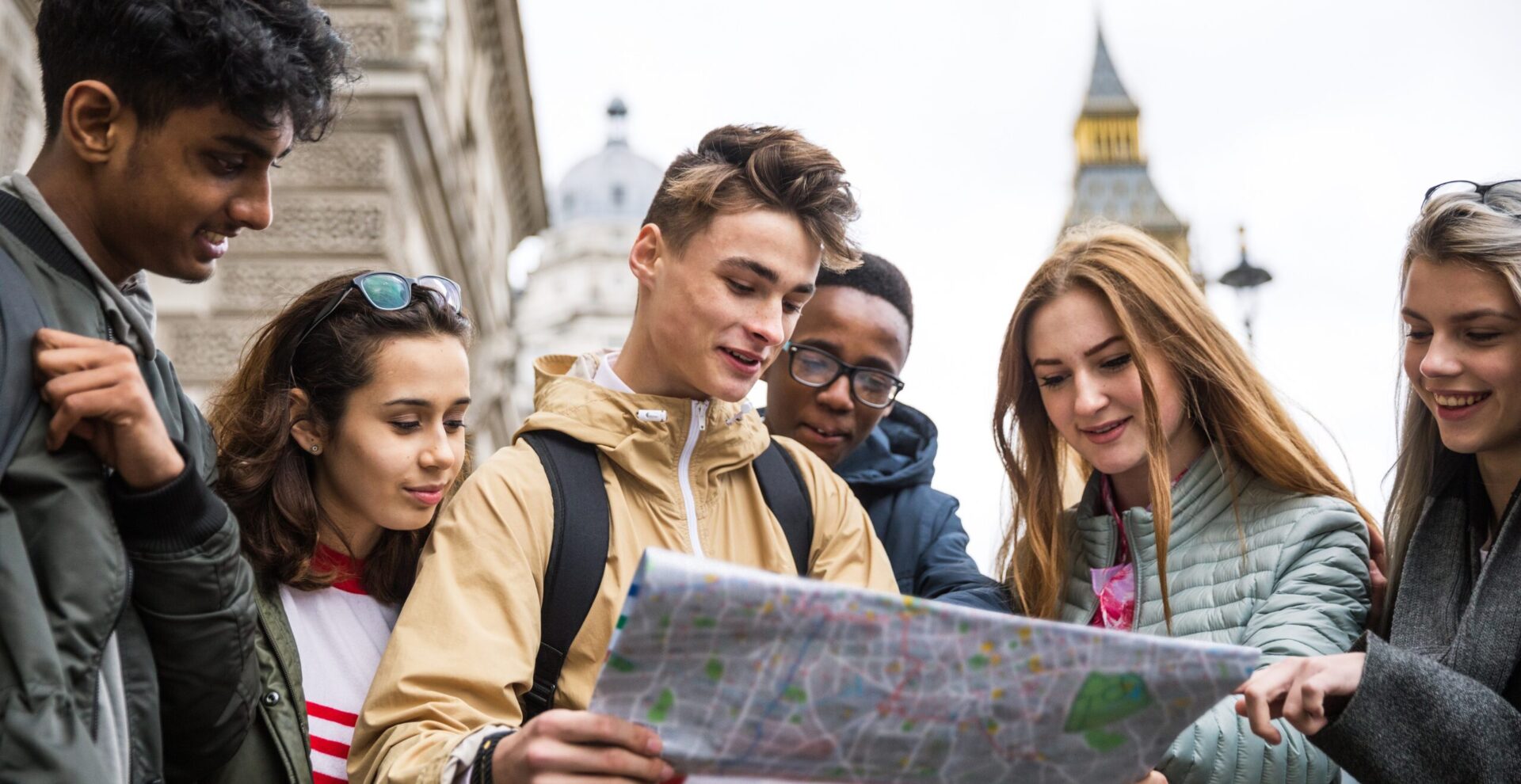
Travel has a unique way of bringing leadership skills to the surface. When students step outside their familiar routines, they encounter new situations that require communication, responsibility, and teamwork.
Educational travel creates real-world settings where leadership is practiced, not just discussed.
Encouraging Responsibility and Accountability
Travel requires students to manage schedules, follow group expectations, and represent their school or community. These responsibilities encourage accountability and help students understand how their actions affect the larger group. Over time, this awareness strengthens personal leadership habits.
Strengthening Communication Skills
Navigating new environments pushes students to communicate clearly with peers, educators, and community members. Whether asking questions during a workshop or collaborating during a group activity, students practice expressing ideas and listening to others, key traits of effective leaders.
Building Confidence Through New Challenges
Unfamiliar settings naturally present small challenges, from navigating a city to participating in interactive learning experiences. Each success helps students build confidence in their ability to adapt and make decisions. Confidence gained through experience often translates into stronger leadership back at school.
Fostering Teamwork and Collaboration
Travel experiences rely on cooperation. Students share responsibilities, solve problems together, and support one another throughout the journey. These shared experiences strengthen trust and highlight the importance of collaboration in achieving common goals.
Developing Empathy and Perspective
Exposure to new places, cultures, and viewpoints broadens students’ understanding of the world. Leaders who can appreciate different perspectives are better equipped to make thoughtful decisions and support diverse communities. Travel helps cultivate this empathy in meaningful, memorable ways.
Leadership That Lasts Beyond the Trip
When students return home, the leadership skills they practiced during travel continue to grow. Increased confidence, communication, and responsibility often show up in classrooms, extracurricular activities, and community involvement. Travel becomes a catalyst for long-term personal development.


