
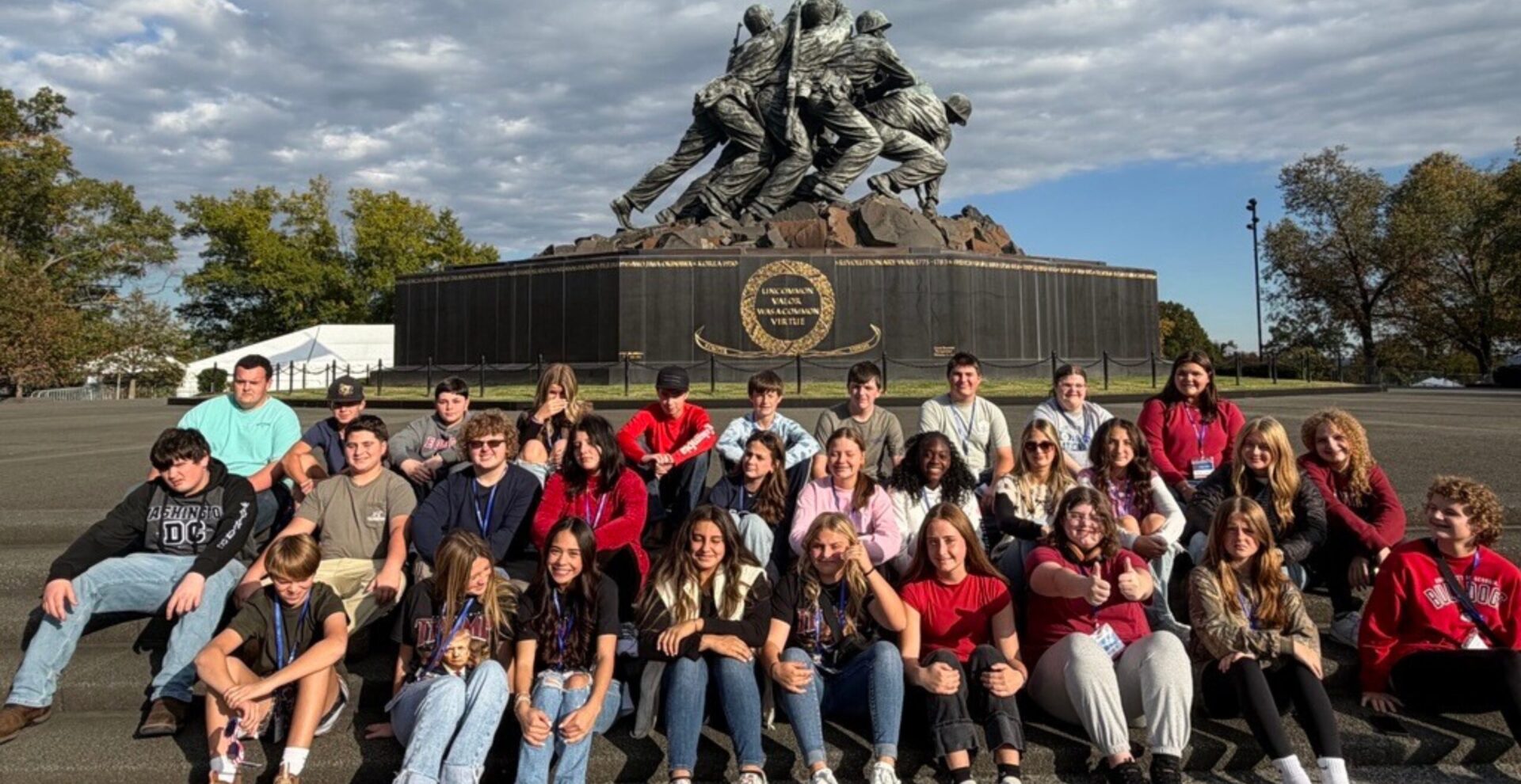
Educational travel is often described as enriching, engaging, and memorable. Just as importantly, it can be intentionally designed to reinforce curriculum standards and support measurable learning outcomes across subject areas.
When trips align with academic frameworks, they move beyond enrichment and become powerful extensions of classroom instruction.
From Standards to Setting
Curriculum standards outline what students should know and be able to do, but travel provides the setting where those expectations come to life. Historical landmarks, museums, performance venues, and science centers give students real-world contexts for the concepts they study. Seeing content in action strengthens comprehension and retention in ways that textbooks alone cannot.
Strengthening Content Knowledge
Educational travel reinforces subject-specific standards by deepening students’ understanding of core content. A visit to a government institution supports civics standards, while a science museum experience connects directly to inquiry and STEM benchmarks. These experiences help students build knowledge through observation, questioning, and guided exploration.
Supporting Skill-Based Standards
Many curriculum frameworks emphasize skills such as critical thinking, communication, and collaboration. Travel naturally supports these competencies as students work together, participate in discussions, and reflect on their experiences. Learning becomes active rather than passive, strengthening skills that apply across disciplines.
Encouraging Inquiry and Analysis
Standards often call for students to analyze sources, evaluate perspectives, and draw conclusions. On-site learning encourages these habits of mind by placing students in environments rich with primary sources, expert interpretation, and diverse viewpoints. Students learn to ask questions and engage with content in deeper, more meaningful ways.
Connecting Learning Across Disciplines
Educational travel reinforces the interdisciplinary nature of many standards. A single destination can connect history, art, science, and cultural studies, showing students how knowledge areas intersect. This integrated approach mirrors the way standards increasingly emphasize cross-curricular thinking.
Making Standards Memorable
Ultimately, travel helps transform academic expectations into lived experiences. When students connect standards-based learning to places, people, and moments, those lessons stay with them long after the trip ends. Educational travel ensures curriculum standards are not just met, but experienced in lasting and meaningful ways.


