
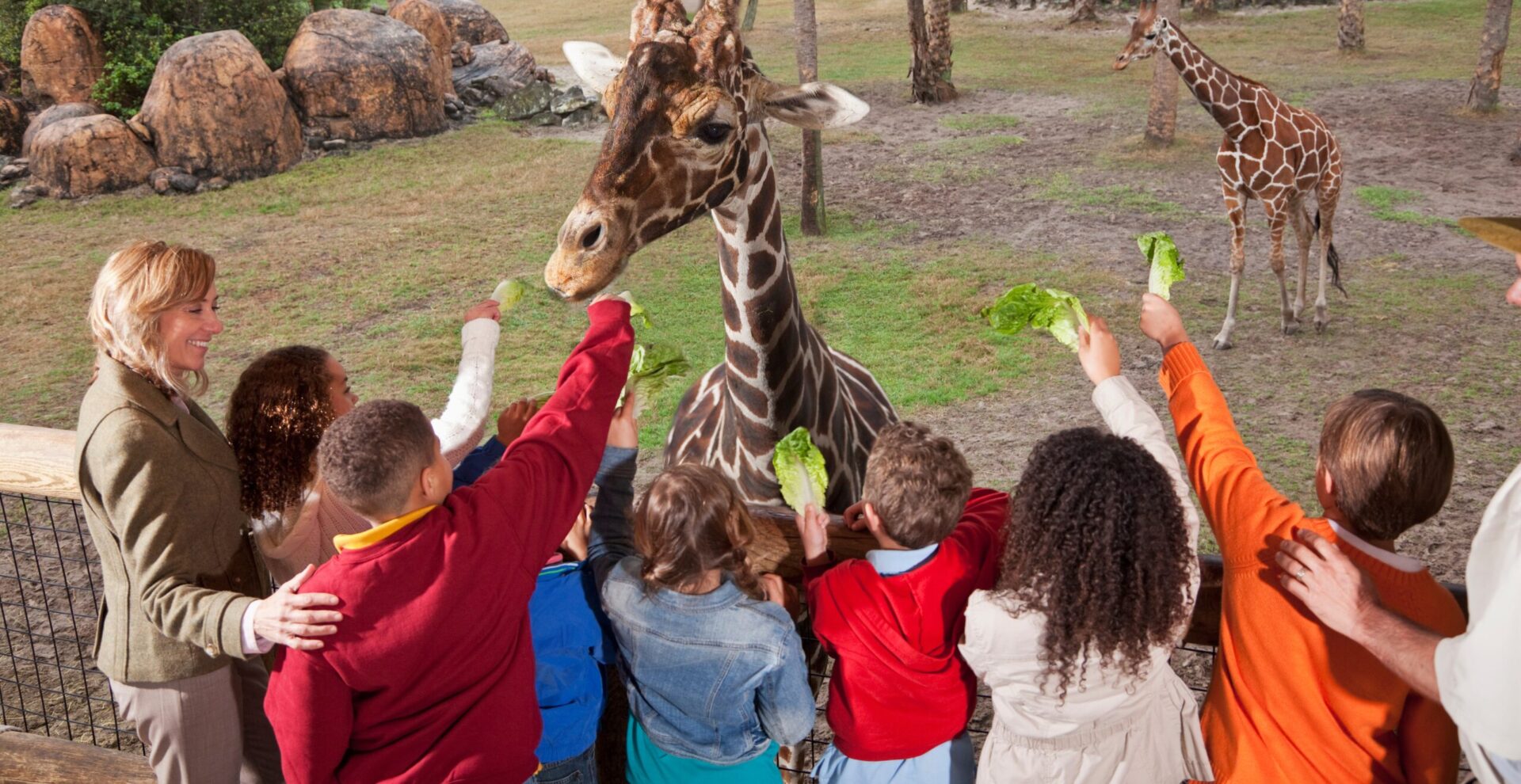
Education today is evolving beyond traditional lectures and textbook-based instruction. While foundational knowledge remains essential, there is a growing recognition that students learn best when they can experience concepts directly. This is where experiential learning plays a critical role, and why educational travel continues to gain importance in academic programs.
At its core, experiential learning is about connection. It allows students to move beyond memorization and begin understanding how ideas function in real-world contexts. Instead of simply learning about government structures, they can observe them in action. Instead of reading about ecosystems, they can explore them firsthand.
This type of learning is especially effective because it engages multiple senses at once. Students are seeing, hearing, and interacting with their environment, which strengthens comprehension and retention. A concept learned through experience is far more likely to be remembered than one encountered only in a lecture.
Another important benefit is the development of critical thinking skills. When students are placed in new environments, they’re naturally encouraged to analyze what they see, ask questions, and make connections. They begin to think more independently, moving from simply absorbing information to actively interpreting it.
Experiential learning also supports different types of learners. Not every student thrives in a traditional classroom setting, but many excel when given the opportunity to learn through movement, observation, or interaction. Educational travel creates space for these students to engage in ways that align with how they learn best.
Well-designed travel programs, such as those offered by Gerber Tours, often intentionally incorporate hands-on activities, expert-led experiences, and real-world exploration to support this kind of learning. These elements help ensure that students are not just visiting a destination, but actively engaging with it.
Beyond academics, these experiences also help students build confidence. Navigating new places, participating in group activities, and interacting with unfamiliar environments all contribute to personal growth. This confidence often carries back into the classroom, where students feel more comfortable participating and taking academic risks.
As education continues to prioritize real-world readiness, experiential learning is no longer just a supplement, it’s a necessity, and educational travel offers one of the most effective ways to bring this approach to life.


